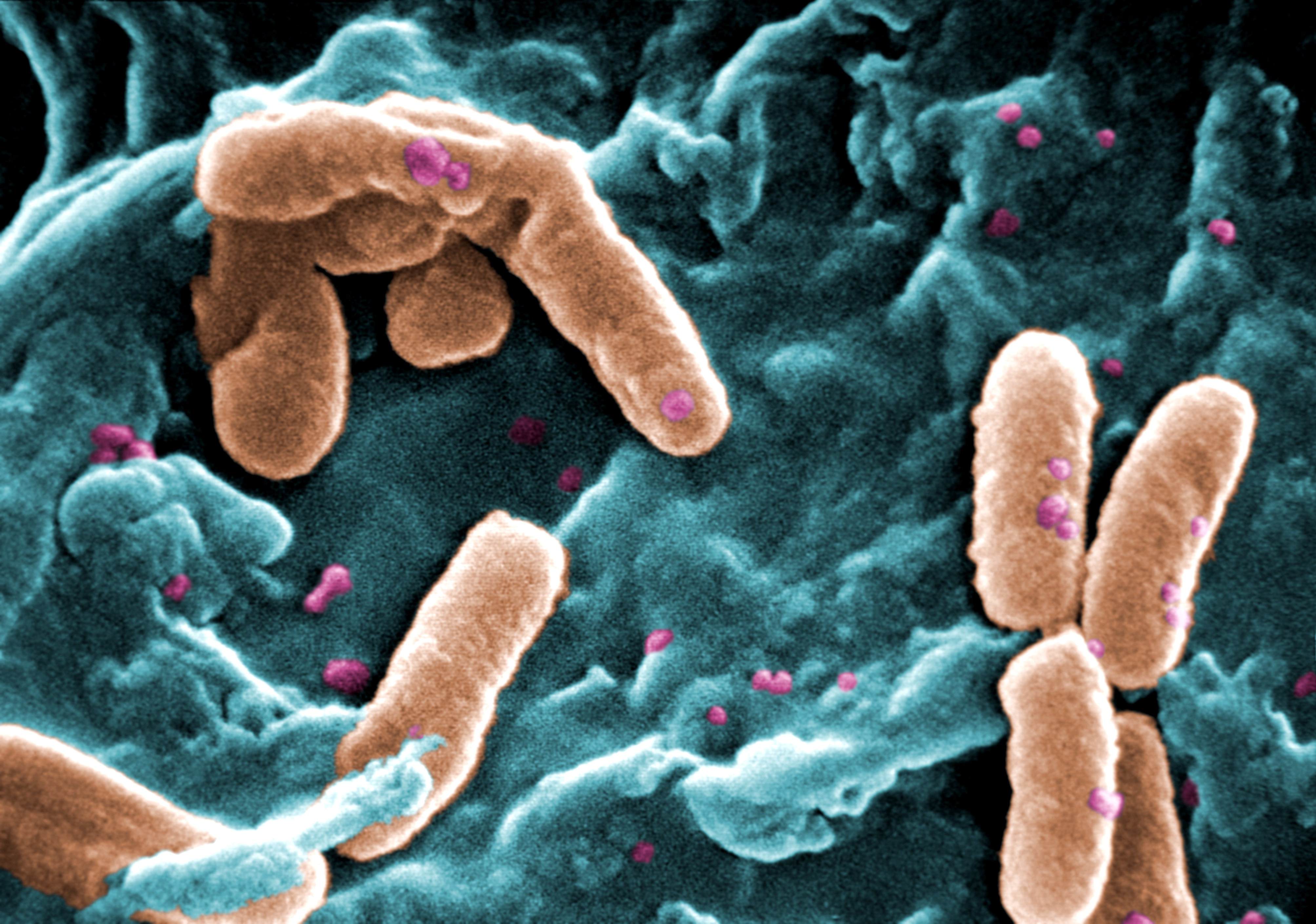
 1. Pseudomonas species
a 1, a member of the family enterobacteriacae
b. Characteristically produce pigment detectable on blood agar
c. Fermenting colonies Produce lactose on MacConkey asp'
d. Is a common cause of ventilation acquired pneumonia
e. Is a commensal in ad body parts
2.Teponemo pallidum
a. Causes a skin rash
b. Causes an asymptomatic infection
c. Causes painless ulcers
d. infection resolves spontaneously
e. Can be treated by tetracycline
For more MCQs clink on bellow link
1 . MCQs With answer 1
2. MCQs With answer 2
3.Treponema pallidum
a. Infection is commonly spread by fomites
b. Is transmitted by insect vectors
c. Can often be isolated from primary chancre
d. Can often be isolated from condylonrnata lata
e. Cross the placenta and infect the fetus
4.Regarding syphilis
a. Primary chancre appears within 3 days after exposure
b. Ulcer is painful
c. Ulcer has numerous polymorphonuclear leukocytes
d.Ulcer base has live organisam
e.patient is infectious only during the second stage
5. Syphilis causes
a. Aortitis
b.aortic anuerisam
c.Aortic incompetence
d. Myocardiis
e.Narrowing of the coronary osteum
6.Congenital syphilis causes
a. Neonatal rash
b. Raised cold blood IgM
c. Blindness
d. Abnormal face
e. Abnormal teeth
7. following are helpful in diagnosis of syphilis
a. Liver function tests
b.FTAB test
c.VDRL test
d.Garm-stain
e Examination of contacts
8. Following are important in diagnosis of syphilis
a. Fluorescent Treponemal Antibody test
b. isolation of organism from a blood culture
c. Venereal Disease Research Laboratories test
d. Dark-ground microscopy
e. ELISA test for treponemal antigens
9. VDRL test
a. Is the first serological test to become positive in syphilis
b. Becomes negative after treatment
c. Uses Reiter's protein in the test
d.Is an agglutination test
e.Is positive in chancroid
10. Treponema pallidum
a.Is a spirochaets
b.transmit during sexual intercourse
c.Can transmit during blood transfusion
e.transmit during lactaion to baby